REPASA Y APRENDE EL TEMA QUE HEMOS TRABAJADO EN NATURAL SCIENCE AHORA EN ESPAÑOL- pincha en el enlace de abajo para poder ver los distintos contenidos-
Mostrando entradas con la etiqueta 4º PRIMARIA. Mostrar todas las entradas
Mostrando entradas con la etiqueta 4º PRIMARIA. Mostrar todas las entradas
miércoles, 26 de abril de 2017

domingo, 23 de abril de 2017
ENERGY AND ITS TRANSFORMATIONS
FORMS OF ENERGY


ENERGY AND ITS TRANSFORMATIONS


ENERGY
WHAT IS ENERGY?
FORMS OF ENERGY
viernes, 31 de marzo de 2017


miércoles, 22 de marzo de 2017
TIPOS DE CULTIVOS
TIPOS DE CULTIVOS


LA AGRICULTURA
LA AGRICULTURA


martes, 14 de marzo de 2017
LA VEGETACIÓN
LA VEGETACIÓN

- La vegetación es el conjunto de plantas que encontramos en una zona,área o región determinada.
- La vegetación de una zona depende del clima de la misma así como de la altitud, tipo de suelo...
- LA VEGETACIÓN EN ESPAÑA:
Haz click y observa:

PLANTAS SILVESTRES Y CULTIVOS
PLANTAS SILVESTRES Y CULTIVOS
Hay plantas que nacen ,crecen y se reproducen solas,sin que el hombre intervenga ,y hay otras que el hombre cultiva.
Las plantas silvestres soló necesitan un lugar apropiado para poder crecer,todo lo demás lo hace la naturaleza.
Las plantas silvestres soló necesitan un lugar apropiado para poder crecer,todo lo demás lo hace la naturaleza.
Las plantas cultivadas en cambio ,son aquéllas que el hombre cultiva por su utilidad .Las emplea en su alimentación,como adorno,en medicina o en la industria.


martes, 7 de marzo de 2017
jueves, 2 de marzo de 2017
TYPES OF PLANTS: WATCH AND LEARN
TYPES OF PLANTS
miércoles, 1 de marzo de 2017
NON FLOWERING PLANTS: MOSSES AND FERNS
MOSSES AND FERNS


FLOWERING PLANTS
FLOWERING PLANTS
ANGIOSPERMS AND GYMNOSPERMS


PLANT CLASSIFICATION
FLOWERING AND NON FLOWERING PLANTS


Flowering plants
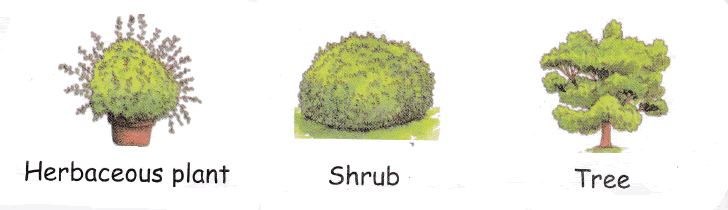
Flowering plants are categorized as high-class plants. At the adult stage, the plant produces flowers which can develop into fruits and seeds after being pollinated and fertilized. Rose, hibiscus, sunflower, mango, mango, banana, and papaya are flowering plants.
Non- flowering plants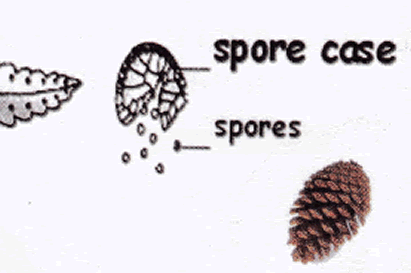
Non- flowering plants do not carry flowers they produce spores, fungi or cones the are used for propagation (reproduction). Algae, moss, fern and conifer are no flowering plants.
Examples of non-flowering plants


jueves, 23 de febrero de 2017
PLANT REPRODUCTION
SEXUAL REPRODUCTION IN PLANTS


ASEXUAL REPRODUCTION IN PLANTS


PLANT NUTRITION AND RESPIRATION
PLANT NUTRITION
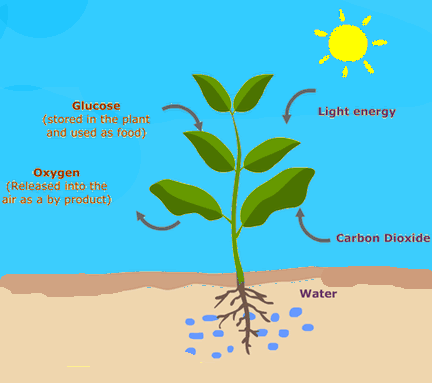
Photosynthesis is a process in which plants use the energy from the sun to transform water, carbon dioxide, and minerals into oxygen.
Photosynthesis
Plants can make food using a green chemical called chlorophyll.
The most important ingredients of photosynthesis include water, carbon dioxide, sunlight, chlorophyll and the appropriate temperature.
How does photosynthesis happen?
Chlorophyll is the green pigment in a leaf that starts the process of photosynthesis by absorbing the light from the sun and starting the whole photosynthesis process.
Water is moved from the roots to the leaves of a green plants.
Carbon dioxide is in the air and enters the leaves through small holes which are called stomata.
The end product is food for the plant which it stores and oxygen which humans and animals need to live.
Why photosynthesis is important
Photosynthesis is important as it gives the plant food and energy. If plants could not photosynthesis plants would die. During photosynthesis the plants waste product is oxygen which humans and animals depend on. Without plants everything on earth would die.


PLANT RESPIRATION

miércoles, 2 de noviembre de 2016
LA VISTA
LA VISTA: CÓMO VEMOS
ÉRASE UNA VEZ EL CUERPO HUMANO: LA VISTA
LOS SENTIDOS: LA VISTA
LA VISTA: EL OJO
El ojo es el órgano de la vista; nos permite percibir los objetos que tenemos a nuestro alrededor y descubrir su forma, tamaño, color y distancia a la que se encuentran.
Necesitamos luz para poder ver.
En el ojo podemos identificar varias partes:


Se compone de varias partes principales:
1) El iris. Es la parte coloreada del ojo. Regula la entrada de luz aumentando o disminuyendo su tamaño según la intensidad de la misma.
2) La pupila. Es el orificio central del iris. Se dilata o contrae en función de la cantidad de luz existente.
3) El cristalino. Es la parte que enfoca el haz de luz en la retina. Tiene forma de lente biconvexa.
4) La córnea. Es una de las partes externas del ojo. Protege al cristalino y al iris permitiendo el paso de la luz.
5) La retina. Es la parte del ojo sensible a la luz. Está compuesta por los conos y los bastones. Su función es dar información sobre la nitidez, color y brillo.
6) La esclerótica. Es la membrana más externa que protege y da forma al ojo. Es la zona que conocemos como “lo blanco del ojo”.
7) Nervio óptico. Conduce los impulsos nerviosos de los conos y bastones de la retina hacia el cerebro. Esto permite la formación de las imágenes en nuestra cabeza.
THE SKELETON
LOOK AND LEARN:

viernes, 27 de mayo de 2016
COMPLEX MACHINES
COMPLEX MACHINES
Complex machines
A complex machine is a machine that is made up of many operating parts.
- Cars and bicycles are examples of complex machines.
A bicycle has wheels and axles that move the bike along. The handlebars, handbrakes and brake pedals are all types of levers. Many bikes also have gears that allow the rider to change the turning force. You can change the gears to make it easier to ride a bike up an inclined plane. The pedals need to be turned more but it is easier to travel uphill.

Suscribirse a:
Entradas (Atom)


