Hay plantas que nacen ,crecen y se reproducen solas,sin que el hombre intervenga ,y hay otras que el hombre cultiva. Las plantas silvestres soló necesitan un lugar apropiado para poder crecer,todo lo demás lo hace la naturaleza.
Las plantas cultivadas en cambio ,son aquéllas que el hombre cultiva por su utilidad .Las emplea en su alimentación,como adorno,en medicina o en la industria.
Flowering plants are categorized as high-class plants. At the adult stage, the plant produces flowers which can develop into fruits and seeds after being pollinated and fertilized. Rose, hibiscus, sunflower, mango, mango, banana, and papaya are flowering plants.
Non- flowering plants
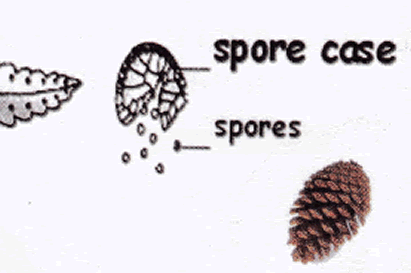
Non- flowering plants do not carry flowers they produce spores, fungi or cones the are used for propagation (reproduction). Algae, moss, fern and conifer are no flowering plants.
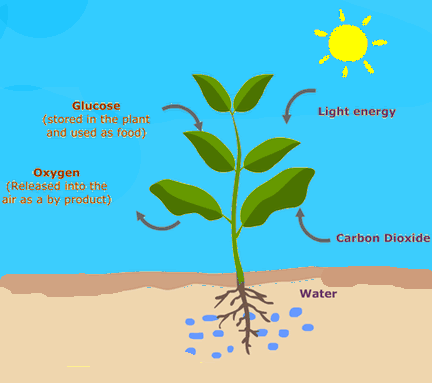
Photosynthesis is a process in which plants use the energy from the sun to transform water, carbon dioxide, and minerals into oxygen.
Photosynthesis
Plants can make food using a green chemical called chlorophyll.
The most important ingredients of photosynthesis include water, carbon dioxide, sunlight, chlorophyll and the appropriate temperature.
How does photosynthesis happen?
Chlorophyll is the green pigment in a leaf that starts the process of photosynthesis by absorbing the light from the sun and starting the whole photosynthesis process.
Water is moved from the roots to the leaves of a green plants.
Carbon dioxide is in the air and enters the leaves through small holes which are called stomata.
The end product is food for the plant which it stores and oxygen which humans and animals need to live.
Why photosynthesis is important
Photosynthesis is important as it gives the plant food and energy. If plants could not photosynthesis plants would die. During photosynthesis the plants waste product is oxygen which humans and animals depend on. Without plants everything on earth would die.
The different parts of the plant have different functions: -Roots absorb water and minerals from the soil -The stem supports the plant and transports the nutrients through the plant. - Leaves take oxygen from the air