WATCH AND LEARN
viernes, 31 de marzo de 2017
FORCES
FORCES

EFFECTS OF FORCES:
-FORCES CAN MAKE AN OBJECT BREAK
-FORCES CAN MAKE AN OBJECT CHANGE ITS SHAPE
-FORCES CAN MAKE AN OBJECT START MOVING
FORCES CAN MAKE AN OBJECT STOP MOVING


jueves, 30 de marzo de 2017
FOOD CHAIN
FOOD CHAIN

Every living thing needs energy in order to live. Everytime animals do something (run, jump) they use energy to do so.
A food chain shows how each living thing gets food, and how nutrients and energy are passed from creature to creature.
Food chains begin with plant-life, and end with animal-life. Some animals eat plants, some animals eat other animals.
NOW CLICK AND LEARN ABOUT THE FOOD CHAIN

ECOSYSTEMS
ECOSYSTEMS
What is an Ecosystem?
An ecosystem includes all of the living things (plants, animals and organisms) in a given area, interacting with each other, and also with their non-living environments (weather, earth, sun, soil, climate, atmosphere).

In an ecosystem, each organism has its' own niche or role to play.

TYPES OF ECOSYSTEMS


An ecosystem includes all of the living things (plants, animals and organisms) in a given area, interacting with each other, and also with their non-living environments (weather, earth, sun, soil, climate, atmosphere).
In an ecosystem, each organism has its' own niche or role to play.

TYPES OF ECOSYSTEMS


miércoles, 22 de marzo de 2017
TIPOS DE CULTIVOS
TIPOS DE CULTIVOS


LA AGRICULTURA
LA AGRICULTURA


martes, 14 de marzo de 2017
LA VEGETACIÓN
LA VEGETACIÓN

- La vegetación es el conjunto de plantas que encontramos en una zona,área o región determinada.
- La vegetación de una zona depende del clima de la misma así como de la altitud, tipo de suelo...
- LA VEGETACIÓN EN ESPAÑA:
Haz click y observa:

PLANTAS SILVESTRES Y CULTIVOS
PLANTAS SILVESTRES Y CULTIVOS
Hay plantas que nacen ,crecen y se reproducen solas,sin que el hombre intervenga ,y hay otras que el hombre cultiva.
Las plantas silvestres soló necesitan un lugar apropiado para poder crecer,todo lo demás lo hace la naturaleza.
Las plantas silvestres soló necesitan un lugar apropiado para poder crecer,todo lo demás lo hace la naturaleza.
Las plantas cultivadas en cambio ,son aquéllas que el hombre cultiva por su utilidad .Las emplea en su alimentación,como adorno,en medicina o en la industria.


martes, 7 de marzo de 2017
jueves, 2 de marzo de 2017
TYPES OF PLANTS: WATCH AND LEARN
TYPES OF PLANTS
miércoles, 1 de marzo de 2017
NON FLOWERING PLANTS: MOSSES AND FERNS
MOSSES AND FERNS


FLOWERING PLANTS
FLOWERING PLANTS
ANGIOSPERMS AND GYMNOSPERMS


PLANT CLASSIFICATION
FLOWERING AND NON FLOWERING PLANTS


Flowering plants
Flowering plants are categorized as high-class plants. At the adult stage, the plant produces flowers which can develop into fruits and seeds after being pollinated and fertilized. Rose, hibiscus, sunflower, mango, mango, banana, and papaya are flowering plants.
Non- flowering plants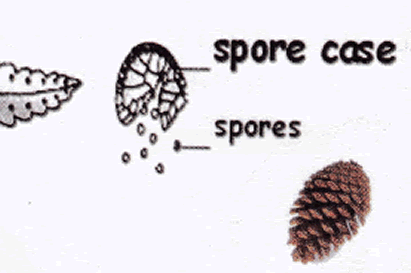
Non- flowering plants do not carry flowers they produce spores, fungi or cones the are used for propagation (reproduction). Algae, moss, fern and conifer are no flowering plants.
Examples of non-flowering plants


Suscribirse a:
Comentarios (Atom)


